Fridge and Appliance Removal: Smart, Safe, and Sustainable Solutions
Removing an old refrigerator or other household appliance can feel like a big task, but with the right information it becomes manageable, safe, and environmentally responsible. This article explains key considerations for fridge and appliance removal, focusing on safety, recycling, cost factors, and the best practices to protect your home and the planet. Whether you're preparing for a replacement, downsizing, or clearing out space, understanding the removal process will help you choose the most efficient and eco-friendly option.
Why Professional Fridge and Appliance Removal Matters
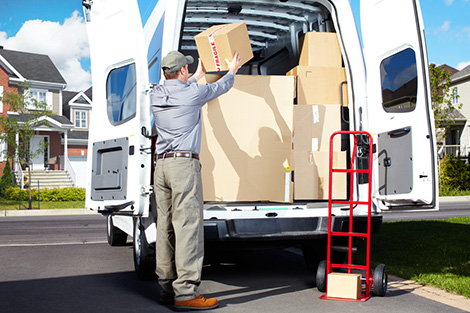
Large appliances such as refrigerators, freezers, washers, dryers, stoves, and dishwashers are heavy, bulky, and often contain materials that require special handling. Attempting to remove these items without proper equipment and know-how can lead to damage, injury, or improper disposal of hazardous materials. A few reasons to consider professional removal services include:
- Safety: Proper lifting techniques and specialized equipment reduce the risk of injury and property damage.
- Legal compliance: Many regions regulate the disposal of refrigerants, oils, and electronic components.
- Convenience: Professionals manage the heavy lifting, transportation, and routing to appropriate facilities.
- Environmental responsibility: Certified handlers ensure appliances are recycled or disposed of according to local regulations.
Key Components to Consider During Appliance Removal
Before scheduling a removal, it helps to understand what makes appliances different from typical household junk. Attention to the following components will ensure a smooth process and protect the environment.
Refrigerants and Hazardous Materials
Older fridges and freezers contain refrigerant chemicals that can be harmful to the atmosphere if released. International agreements and national regulations limit how refrigerants must be handled. Certified technicians can recover refrigerants safely and ensure they are recycled or destroyed in compliance with environmental rules.
Heavy and Bulky Structure
Refrigerators and major appliances are heavy and awkward to maneuver. They may require special equipment, such as appliance dollies, straps, and protective padding, to prevent damage to floors and walls during removal.
Scrap Metal and Recyclable Components
Many parts of appliances are recyclable. Metals, compressors, insulation foam, glass, and some plastics can be separated and processed. Recycling reduces landfill waste and recovers valuable materials for reuse.
Options for Fridge and Appliance Removal
There are several pathways to dispose of or repurpose old appliances. Each option has pros and cons, depending on condition, local regulations, and your sustainability goals.
- Donation and Reuse: If an appliance is still in working condition, donation to charities or local organizations helps extend its life. Many programs accept working units for families in need or community projects.
- Retailer Take-Back Programs: Some retailers offer removal services when delivering a new appliance. They often ensure proper disposal or recycling of the old unit.
- Professional Junk Removal Services: Local waste removal companies frequently provide appliance pickup and transport to recycling centers or proper disposal sites.
- Municipal Bulk Pickup: Many municipalities organize scheduled bulky-item pickups, sometimes with special handling for appliances containing hazardous materials.
- Recycling Centers and Scrap Yards: Direct delivery to certified recycling centers can be an economical and environmentally sound choice for appliances that are irreparable.
How to Prepare Appliances for Removal
Preparing your appliance properly speeds removal and reduces the chance of damage. Here are practical steps to follow before the removal crew arrives:
- Empty and clean the appliance to prevent odors and spills during transport.
- Disconnect power and water lines where applicable. For refrigerators, unplug and allow defrosting time to avoid leaks.
- Secure doors with tape or straps to prevent swinging during moving.
- Measure access routes including doorways, staircases, and hallways to ensure the appliance can be moved without obstruction.
- Clear a path of rugs, furniture, and loose objects that could cause trips or scrapes.
Pricing Factors and Cost Considerations
Costs vary based on weight, size, accessibility, and disposal method. Common factors influencing price include:
- Type of appliance (refrigerator vs. small appliance)
- Condition (working, non-working, hazardous)
- Distance to recycling or disposal facility
- Removal complexity (stair carry, elevator restrictions, narrow exits)
- Special handling (refrigerant recovery, hazardous component removal)
To get the best value, compare options and ask whether recycling fees, refrigerant handling charges, or haul-away fees are included. Some programs lower costs by offering incentives for recycling or trade-in credits for new appliance purchases.
Eco-Friendly and Sustainable Disposal Practices
Responsible disposal minimizes environmental harm. Look for services that:
- Recover refrigerants and toxic materials properly
- Separate and recycle metals, plastics, and glass
- Donate working units to extend their useful life
Choosing a provider that adheres to environmental standards ensures compliance with local laws and reduces your carbon footprint. Sustainable disposal often requires extra steps, but the long-term benefits for the environment and community are significant.
Common Questions About Appliance Removal
Can I haul away my old fridge myself?
Yes, if you have the necessary equipment, help, and knowledge to manage refrigerant handling safely where required. However, due to the weight and potential environmental risks, many homeowners choose professional removal to avoid injury and regulatory issues.
Are there regulations about disposing of refrigerators?
Yes. Refrigerants and certain components are regulated. Certified technicians must recover and handle refrigerants in many jurisdictions. Illegal release of refrigerants can result in fines and environmental damage.
What happens to appliances after removal?
Responsible services route appliances to appropriate facilities. Working units may go to donation centers; many appliances are dismantled and sorted for recycling, with metals and other materials recovered for reuse.
Making the Right Choice for Your Removal
When selecting a removal option, weigh the cost, convenience, and environmental impact. Look for providers that are transparent about their disposal processes and have a track record of certified handling for hazardous components. Fridge and appliance removal can be more than just waste management — it’s an opportunity to support sustainable practices and reduce landfill waste.
Ultimately, thoughtful planning and choosing responsible services will ensure a safe, compliant, and eco-friendly removal experience. Whether you donate, recycle, or arrange professional haul-away, prioritizing sustainable options benefits your community and the environment.
Fridge and appliance removal done right protects people and the planet, turning what many see as junk into recoverable resources and keeping harmful substances out of the environment.