Stockwell South Lambeth Road removals guide
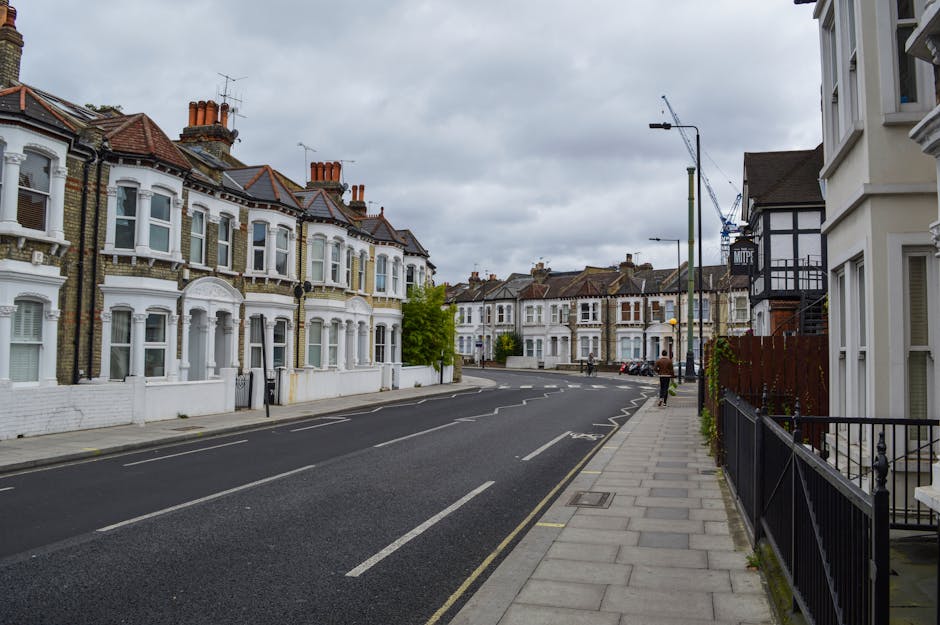
Moving home or office around Stockwell South Lambeth Road can feel straightforward on paper, then suddenly the bins are out, the hallway is half full of boxes, and you are wondering how the sofa is going to make that bend. This Stockwell South Lambeth Road removals guide is here to make the whole thing calmer and more organised. It covers how local moves usually work, what to prepare before moving day, where the common headaches appear, and how to choose the right support for the job. If you are trying to balance parking, packing, timing, and the usual London move chaos, you are in the right place.
To be fair, most removals are not difficult because of one huge problem. They become stressful because of ten small ones. A missing key, a late van, a wardrobe that suddenly feels twice its size, or a lift that is out of action. The good news? Most of that can be planned around.
Use this guide as a practical checklist and a decision-making tool. It is written for people who want a smooth local move, not a vague lecture.
- Why Stockwell South Lambeth Road removals guide Matters
- How Stockwell South Lambeth Road removals guide Works
- Key Benefits and Practical Advantages
- Who This Is For and When It Makes Sense
- Step-by-Step Guidance
- Expert Tips for Better Results
- Common Mistakes to Avoid
- Tools, Resources and Recommendations
- Law, Compliance, Standards, or Best Practice
- Options, Methods, or Comparison Table
- Case Study or Real-World Example
- Practical Checklist
- Conclusion
- Frequently Asked Questions
Why Stockwell South Lambeth Road removals guide Matters
Stockwell and the South Lambeth Road corridor sit in one of those parts of London where moving can be deceptively simple. Distances are often short, but access can be tight. You may have terraced housing, flats above shops, narrow entrances, controlled parking, shared courtyards, or a loading area that looks fine until a delivery van actually turns up. That mix is exactly why a removals guide matters here.
A move in this area is rarely just about carrying boxes from A to B. It is about timing the collection, checking access, deciding whether you need a small van or a larger vehicle, and making sure the team can load without blocking everything else on the street. If you have ever watched someone try to reverse a van into a tight London road while people are walking past with coffee, you will know the feeling.
This guide matters because it helps you avoid the usual friction points. It gives you a way to think about your move in layers: the property, the route, the items, the service level, and the after-move clean-up. That is the difference between a day that runs fairly smoothly and one that drags into the evening with everyone tired and slightly too hot.
It also matters because every move has different priorities. A family home move may need packing support and furniture handling. A small flat might need a man and van setup. An office move might need more planning around documents, equipment, and downtime. The same street, completely different job.
How Stockwell South Lambeth Road removals guide Works
At its core, a local removals process follows the same basic pattern: assess the move, prepare the items, book the right vehicle and team, move the belongings, then settle in at the new place. The detail is where things either go well or go sideways.
Here is how it usually works in practice:
- Survey the job properly. Walk through the property and list what needs moving, dismantling, packing, disposing of, or storing.
- Check access. Measure doorways, stairwells, lifts, and parking space. Do not assume the biggest item will "probably be fine". Probably is not enough.
- Choose the right service. A light local move may suit a man with van arrangement, while a larger household may need fuller support through home moves or even house removalists.
- Prepare and label. Good labelling saves time later. It also reduces the awkward box shuffle in the hallway when everybody asks, "Is this kitchen or bedroom?"
- Move in a sensible order. Heavy furniture first, fragile items protected, essentials kept separate.
- Finish with disposal and tidy-up. Anything not going to the new address should be dealt with responsibly, whether that means furniture pick-up, mattress and sofa disposal, or other suitable services.
The guide works best when you use it before booking, not after the van has arrived. That is the real trick. Once the team is on site, every minute saved in planning is worth quite a bit more.
Key Benefits and Practical Advantages
A good removals plan for South Lambeth Road gives you more than convenience. It protects your time, your belongings, and your energy.
- Less disruption on moving day. Clear plans reduce delays, missed items, and repeated lifting.
- Better vehicle choice. The right vehicle size means fewer trips and less stress. A well-matched removal truck hire option can make a big difference for larger loads.
- Safer handling. Heavy items, awkward furniture, and stairs all need the right approach.
- More control over budget. When you know what needs moving and what can be disposed of, quotes become clearer.
- Cleaner handover. A tidy move-out helps with deposits, landlord inspections, and general peace of mind.
There is also the less obvious benefit: confidence. Once you have a plan, the move starts to feel manageable. Not easy, exactly. Manageable. And that matters on a rainy London morning when the kettle is packed and everyone is half-running on adrenaline.
Expert summary: The best removals in this part of London are rarely the flashiest. They are the ones where access is checked early, items are clearly grouped, the correct vehicle is booked, and disposal is handled before the last minute.
Who This Is For and When It Makes Sense
This guide is useful for a wide range of people, and not just those moving from one big family house to another. In fact, some of the most time-sensitive moves are the smaller ones.
- Renters moving between flats who need a fast, efficient local service.
- Families upsizing or downsizing and dealing with furniture, toys, appliances, and a surprising number of miscellaneous drawers.
- First-time movers who want a no-nonsense overview before booking anything.
- Landlords and letting agents coordinating end-of-tenancy clearances.
- Small businesses relocating equipment or stock nearby.
- Anyone with bulky items that are awkward to move without support.
It also makes sense if you are not doing a full move but need help with a specific part of the job. For example, maybe you only need a single man and van booking for a few large items, or perhaps you need packing and unpacking services because work and family life have already eaten your week.
Truth be told, the phrase "removals guide" sounds broad, but local people often use it for very specific problems. How do I get the wardrobe out? Where can I put the old sofa? Do I need extra help with the packing? That is the real search intent behind the topic.
Step-by-Step Guidance
If you want the move to feel under control, work through it in stages. Rushing everything into one mental pile is where people get overwhelmed.
1. Start with a full inventory
List every major item, then group things by room. Include bulky furniture, white goods, mirrors, fragile items, and anything that needs dismantling. If you forget the little cupboard in the hallway, fine, but try not to forget the fridge.
2. Decide what is moving and what is not
Moving is the perfect time to ask the practical question: do you actually want to take that item with you? If not, arrange disposal or recycling early. Services like fridge and appliance removal or mattress and sofa disposal can stop unwanted items from becoming moving-day clutter.
3. Check access before booking
Measure the stairwell, lift dimensions, entrance width, and parking situation. If your road has limited stopping space, mention it when requesting a quote. Small access details can change the plan a lot, especially in a busy area like this.
4. Pack room by room
Keep packing sensible and sequential. Don't mix kitchenware, cables, and bedding in the same box unless you enjoy future confusion. Heavy items go in small boxes. Light items can fill larger ones. It sounds obvious, yet people still end up with a box of books that feels like a damp brick.
5. Set aside essentials
Keep a separate bag or box for the first night: chargers, keys, medication, toiletries, tea, toilet roll, basic snacks, and a change of clothes. Simple stuff, but you will be glad it is there at 8:30 p.m. when everything else is stacked against a wall.
6. Book the right vehicle and crew
Not every move needs the same setup. A smaller local job may fit a flexible van option, while larger loads may need moving truck support or a larger vehicle through removal truck hire. Match the service to the actual load, not the hopeful version of the load.
7. Plan move-day timing
Try to avoid a last-minute rush. If you can, stagger packing, key collection, and loading times so people are not standing around waiting for a lift or a parking space. It seems small, but it can save a lot of tension.
Expert Tips for Better Results
A few small habits can improve the whole experience. These are the things that make a move feel surprisingly smoother.
- Photograph cable setups before unplugging anything. It saves a lot of guesswork later.
- Put screws and fittings in labelled bags. Tape them to the furniture they belong to where possible.
- Use colour coding for rooms. A sticker on the box and a matching note on the door helps on unloading day.
- Keep drawers light. People often leave them full. It is quicker at first, then a nightmare to carry.
- Disassemble only what needs disassembling. Not every item should be taken apart. Some furniture is sturdier left whole, if it fits safely.
- Ask about insurance and handling standards. If you care about protection, check insurance and safety information before you commit.
One overlooked tip: leave a little breathing room in the schedule. A job that looks like two hours can become three if parking is awkward or a cupboard refuses to co-operate. That extra cushion keeps the day from feeling like a sprint.
And yes, something always goes slightly wrong. That is normal. The point is not perfection. It is resilience, a clear plan, and enough flexibility to handle the surprise.
Common Mistakes to Avoid
The same mistakes show up again and again. Most are avoidable with a bit of planning.
- Underestimating item volume. The flat may look small, but the furniture tells a different story.
- Ignoring access problems. Narrow stairs, limited parking, and awkward building layouts need to be checked in advance.
- Leaving packing too late. Last-minute packing leads to damaged items and more stress.
- Not separating essentials. If your chargers and keys are buried in a box, the first night becomes needlessly messy.
- Booking the wrong size vehicle. Too small means multiple trips. Too large may be inefficient or unnecessary.
- Forgetting disposal needs. Old furniture and appliances should not be a last-minute afterthought.
Another mistake is assuming every move can be handled the same way. A home relocation, an office shift, and a furniture-only move are all different jobs. Same street, different moving logic. Easy to forget, oddly.
Tools, Resources and Recommendations
You do not need fancy software to organise a good move. The right basics are enough.
- Room-by-room checklist. A simple paper list or notes app works well.
- Labels and marker pens. Not glamorous, but extremely useful.
- Measuring tape. Best friend of anyone moving furniture in London flats.
- Strong boxes and tape. Use quality packing materials so boxes do not fail halfway up the stairs.
- Protective covers or blankets. Especially helpful for furniture edges and delicate finishes.
- Clear quote request. If you want pricing to be easier to understand, review pricing and quotes guidance before booking.
For people who want help with the heavy lifting or the packing itself, services such as packing and unpacking services or a combined local moving option can save time and reduce damage risk. If you are moving a home and clearing items as you go, the sustainability angle matters too, so it is worth looking at recycling and sustainability.
If you are moving a business rather than a household, the planning needs are slightly different. Document handling, equipment setup, and downtime matter more, and that is where commercial moves or office relocation services become especially relevant.
Law, Compliance, Standards, or Best Practice
For a local removal, the main compliance concerns are usually practical rather than dramatic. You want safe lifting, clear access, sensible parking, proper handling of waste, and transparent service terms. That may sound dry. It is not, really. It is what keeps the move organised and avoids avoidable problems.
In UK practice, disposal should be handled responsibly. Household waste, furniture, appliances, and any potentially risky items should be separated properly and handled according to accepted disposal methods. If something is hazardous or not suitable for a normal move, it should be treated carefully rather than squeezed into a general load. For that reason, services like hazardous waste disposal exist for a reason.
It is also sensible to check the provider's policies on payment, security, and complaints before you book. These pages tell you how the business handles transactions and customer issues, which is useful if you want clarity upfront: payment and security and complaints procedure. Likewise, if you care about the business side of the company, about us can help you understand who you are dealing with.
There is one more practical point. If you are moving items containing private papers, data, or business files, shredding and secure disposal may matter. That is where confidential shredding can be a useful option. Small detail, big peace of mind.
Options, Methods, or Comparison Table
Different move types suit different approaches. The table below is a simple way to compare the most common choices.
| Option | Best for | Strengths | Watch-outs |
|---|---|---|---|
| Man and van | Small local moves, a few items, short distances | Flexible, often efficient for lighter jobs | May not suit larger household loads |
| Full home move support | Families, full properties, multi-room moves | More structured handling, better for complex jobs | Usually requires more planning and a larger quote |
| Removal truck hire | Bulky loads, larger furniture, significant volume | Better capacity, fewer trips | Needs accurate access planning |
| Furniture pick-up | Single items or small disposal tasks | Simple, targeted, less wasteful | Not a full moving solution |
| Office relocation | Businesses, desks, chairs, equipment, documents | Helps reduce downtime and confusion | Requires tighter scheduling and labelled inventory |
If you are unsure which route suits you, ask one question: how much needs moving, and how time-sensitive is the job? That usually cuts through the noise pretty fast.
Case Study or Real-World Example
Imagine a couple moving from a second-floor flat near South Lambeth Road into a nearby townhouse. They have a sofa, dining table, bed frames, boxes of books, a fridge, and a couple of items they do not want to take. Nothing extreme, but enough to become messy if handled casually.
They start with a room-by-room sort. The old mattress is separated for disposal, the fridge is checked for removal support, and the furniture is measured against the staircase at the new property. One box is set aside for overnight essentials. They book a suitable van-based service, but only after confirming the parking arrangement and access at both addresses.
On moving day, the team arrives with a clear load plan. Heavy items go first, fragile boxes are loaded safely, and the unwanted items are handled separately. The whole move still takes effort, naturally. But it does not unravel. No frantic searching for keys, no surprise "we forgot the bed slats," and no awkward halfway pause while people wonder how the sofa is going to turn.
That is what good planning looks like in real life. Nothing flashy. Just fewer problems and a quieter afternoon.
Practical Checklist
Use this checklist the week before your move. It keeps things grounded.
- Confirm move date, access times, and contact details.
- Measure large furniture and key doorways or stairwells.
- Decide what stays, what moves, and what should be disposed of.
- Book the right service level for the volume and complexity.
- Gather boxes, tape, labels, blankets, and markers.
- Pack room by room and label clearly.
- Set aside essentials for the first night.
- Arrange special handling for appliances or bulky furniture if needed.
- Check payment terms and service conditions before the booking is final.
- Keep valuables and important documents with you.
A quick final pass the evening before usually helps. Doors open, boxes stacked, keys located, kettle visible. That kind of thing. Simple, but it works.
Conclusion
A move around Stockwell South Lambeth Road does not need to feel chaotic. With the right planning, the right vehicle, and a clear idea of what is being moved or disposed of, the whole process becomes much more manageable. The biggest gains usually come from the small things: measuring properly, labelling honestly, choosing the right service, and not leaving the awkward furniture decisions until the last minute.
If you are weighing up options, start with your actual load and your access conditions, then work backwards from there. That approach saves time, money, and a fair bit of stress. And let's face it, nobody really wants a moving day that turns into a scavenger hunt.
Get a free quote today and see how much you can save.
When the boxes are finally in place and the last door closes, it helps to know the move was handled with care. That feeling is worth planning for.
Frequently Asked Questions
What is a Stockwell South Lambeth Road removals guide used for?
It is used to help people plan a local move more efficiently, from packing and access checks to vehicle choice, disposal, and move-day timing.
Do I need a man and van for a small flat move?
Often, yes. For a smaller load or a short local move, a man and van setup can be a practical and cost-effective option, especially if access is straightforward.
How early should I book my removal service?
As early as you can, especially if your move is on a weekend, near month-end, or involves tricky access. Early booking gives you more choice and less pressure.
What should I do with furniture I do not want to take?
Separate it early and arrange suitable disposal or pick-up. Services such as furniture pick-up or mattress and sofa disposal can help keep the move clear and tidy.
How do I know what size vehicle I need?
List your furniture, number of boxes, and any large appliances. If you are unsure, share measurements and photos when requesting a quote so the provider can recommend the right option.
Is packing service worth it?
If you are short on time, moving fragile items, or juggling work and family, packing support can save a lot of stress. It is especially useful on larger or more complex moves.
What if my building has no lift?
Tell the removal team in advance. Stairs change loading time, handling needs, and sometimes the vehicle or crew size. It is much better to plan for that upfront.
Can I move appliances like a fridge safely?
Yes, but they need careful handling and the right preparation. If you are not taking an appliance, arrange fridge and appliance removal instead of trying to squeeze it into a general load.
How do I keep the move within budget?
Declutter before moving, group items clearly, avoid last-minute disposal, and choose the right service for the actual volume. A tighter brief usually means a cleaner quote.
What should I check before paying a deposit or booking fee?
Review the terms, payment process, and security details so you understand what is included and what happens if plans change.
Are office moves different from home removals?
Very much so. Office relocation often needs more careful timing around equipment, documents, and business continuity. Commercial planning matters more than most people expect.
Where can I learn more about the company behind the service?
Reading the about us page is a sensible starting point, especially if you want to understand the company's approach before booking.
What is the best final step if I am still undecided?
Make a simple inventory, note access details, and compare a couple of service options. Once you see the job clearly, the right next step usually becomes obvious.